


When Instagram first came out in 2010, I was excited for an alternative. The migration from MySpace was almost complete, and Facebook was filling up with “old people” (people who are my age now). Instagram was a wholesome way to share happy memories with my friends. For some, it still is. For others, it is an endless stream of false reality.

Social media, especially Instagram and TikTok type, Is largely performative. When something is performative, it is false. When we portray a false reality, we encourage others to accept that false reality as normal. This concept is detrimental for men and women alike, but Instagram seems to target women particularly. As a part-time middle school teacher with a daughter in high school, I see the effects daily.
Social Cues > Curated Performance
Albert Bandura, the psychologist who gave us social learning theory, understood that humans rely on other humans for social cues.
“Learning would be exceedingly laborious, not to mention hazardous, if people had to rely solely on the effects of their own actions to inform them what to do. Fortunately, most human behavior is learned observationally through modeling: from observing others one forms an idea of how new behaviors are performed, and on later occasions this coded information serves as a guide for action.” -Bandura
Prior generations took social cues from in-person interaction that included boredom, conflict, and other imperfections native to a real human experience. Instagram, and apps like it, filter these imperfections out through various means. While we might forgive some of this filtering (after all, who doesn’t want to look their best?), the algorithm behind what users see is nothing short of predatory. As recently as July of this year, the EU found it to have an “’addictive design’ that encourages compulsive use and risks users” (Routers).
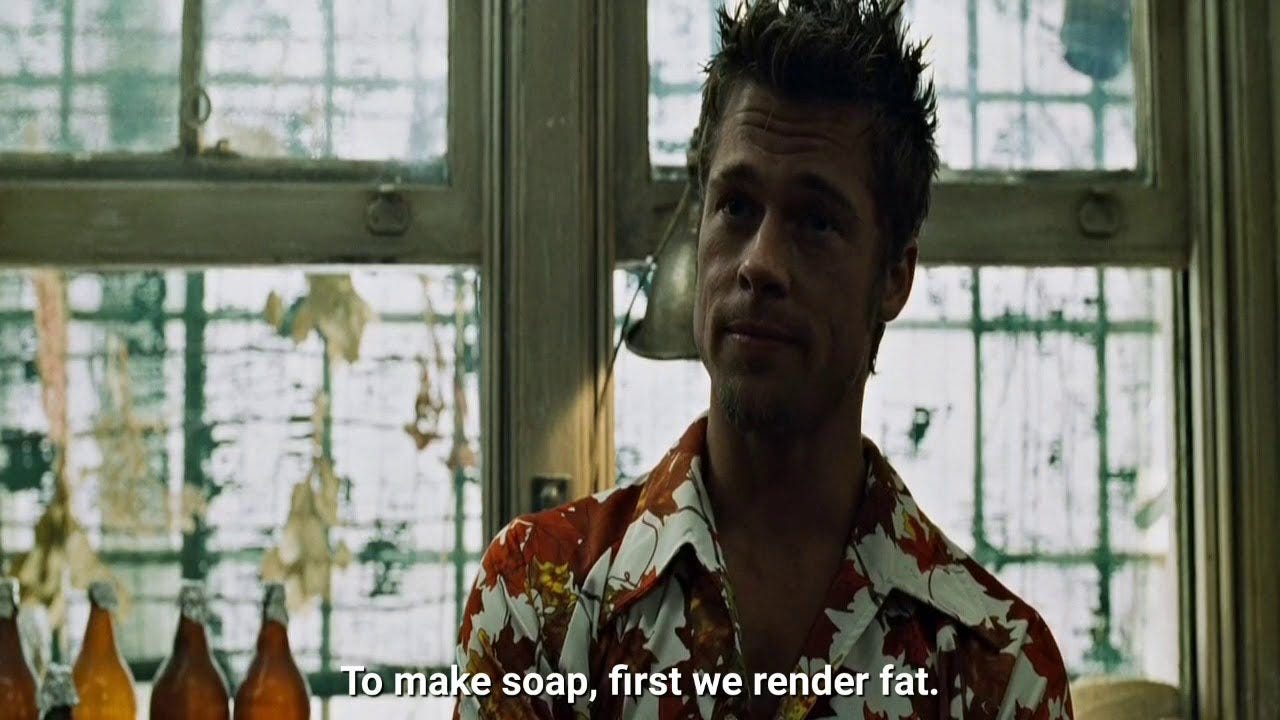
To Make Soap, First We Render Fat
If we want to determine the root of the problem, we need only follow the money. The false reality is not accidental; it is the product. Companies like Meta follow the Tyler Durden business model from the movie Fight Club: create the problem (insecurity), then sell the solution (beauty / wellness). Through highly targeted ads, Meta makes billions reminding you that perfection can only be attained through consumerism.
This model isn’t just affecting women. It is no coincidence that we are bombarded with Cialis commercials on every channel as pornography has become an epidemic among men, young and old. I have witnessed this affect personally as I watched a decades-long marriage crumble in my family as a result. Instagram is far more subtle than pornography, but accomplishes the same end.
The Predator and The Prey
When apps like Instagram for miniaturize and mass-distribute Hollywood-style production in our living rooms, we are convinced of our Movistar status. We become participants in the false reality, amplifying it’s reach and spreading the dissatisfaction to new audiences. Women are both the predator and the prey of other women in this respect. And yet, I am encouraged by the women who have boldly taken a stand against this trend.
In 2012, Fiona Apple recalled a story in a Pitchfork interview about a photo shoot she participated in. The photographer wanted her to go barefoot, but she bad bunions on her feet. Fiona insisted that she would only stay for the photoshoot if the blemishes were shown so that girls would see that imperfections are normal (source). There are many women just like Fiona insisting on their most authentic selves across social media. They are an inspiration.

Fiona Apple, GQ
To Thine Own Self Be True
Instagram, purchased by Meta (Zuckerberg) in 2012, is a business. Their business model is one geared toward beauty and wellness corporations as an end user, not you. You, like the rest of us, are merely unpaid actors and actresses making money for billionaires by peddling perfection at a price.
The solution, my dear sisters, is to portray your most authentic self, blemishes and all. I’m a queen when it comes to lighting and angles. There’s nothing wrong with knowing how to take a good photo. The point is that the world needs more “you”, not more curated content. Only you will know which is which.
This article was initially published on X:
